


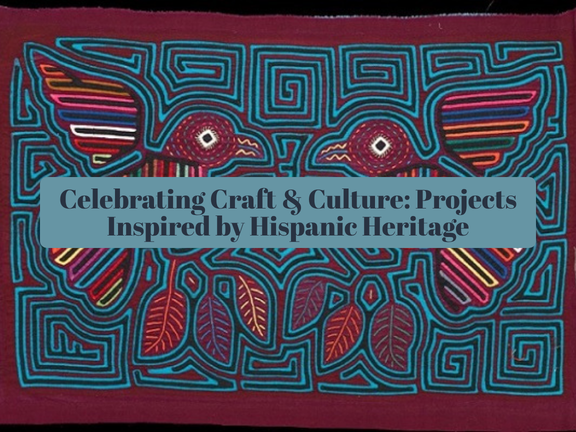
Hispanic Heritage Month (September 15 – October 15) is a celebration of the histories, traditions, and artistry of Hispanic and Latin American communities, and textile arts have always been one of the richest ways that culture gets passed down. From vivid Oaxacan embroidery to colorful Molas and everything in between, there’s endless inspiration for sewists who want to learn something new from Latin American makers.
This roundup pulls together sewing and fiber art projects, from embroidery to plush folk art pieces, that let you explore these traditions with your needle and thread. As always, take these as a starting point for your own research and creativity, and look to Hispanic and Latin American artisans and designers as the true source for these techniques.
Embroidery Projects to Try
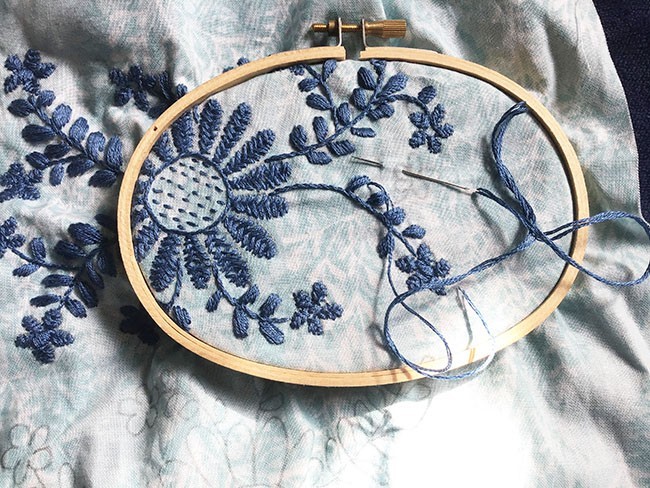
Mexican Floral Embroidery Hoop Art
Bold, layered florals are a hallmark of traditional Mexican embroidery, often seen on blouses, huipiles, and home textiles. Try your hand at a hoop art piece featuring saturated roses, daisies, and leaves in satin stitch and French knots. Stick to a high-contrast palette for a traditional look. A layer of lightweight Stabilize™ Interfacing behind your fabric keeps dense stitching from puckering, especially if you’re working with a soft quilting cotton or linen blend. Alejandra’s Quilt Studio has a detailed tutorial with a video that teaches you how to do three basic Mexican embroidery stitches.

Image Credit: Otomi Mexico
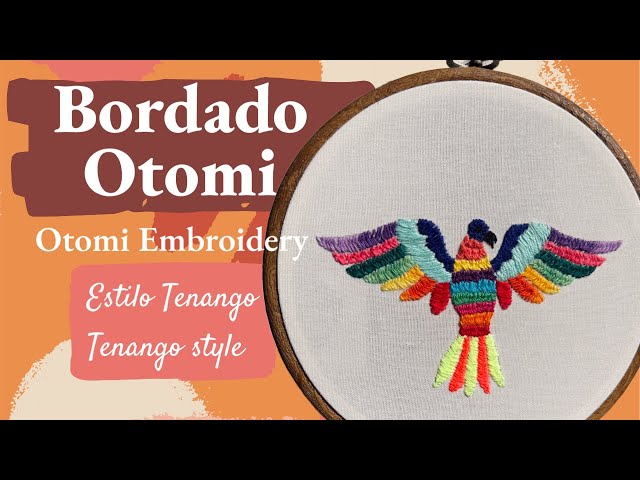
Otomi-Inspired Animal Motifs
Otomi embroidery from the Tenango de Doria region of Mexico is known for its whimsical animals rendered in a rainbow of thread colors on plain fabric. This style is a wonderful beginner embroidery project because the shapes are simple and the color choices are meant to be playful rather than “matchy.” Consider stitching a small Otomi-style animal onto a tote bag, pillow cover, or drawstring pouch. Bordado360 has a detailed tutorial that explains how to create your design and how to make the Otomi stitch.
Folk Art Inspired Hispanic Heritage Month Projects

Papel Picado-Inspired Fabric Banner
Papel picado (perforated paper banners) are a beloved Mexican folk art, traditionally used for celebrations like Día de los Muertos and Mexican Independence Day. Recreate the look in fabric by cutting decorative openwork patterns into Oly-Fun Fabric, then string them into a festive banner. Oly-Fun Fabric is especially forgiving here since the edges won’t fray, and it holds intricate cut shapes well. Crafty Lady Abby shows how she used Oly-Fun to make a Dia de Los Muertos banner.

Image Credit: Mexico in My Pocket
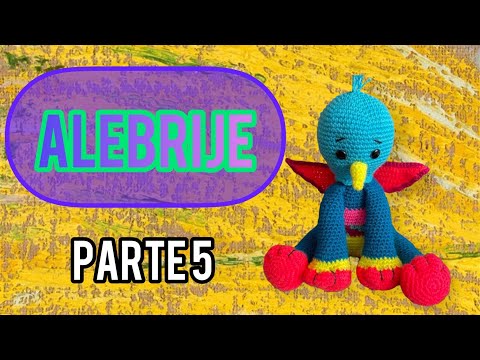
Plush Alebrije-Style Creature
Alebrijes are the fantastical, brightly painted folk art creatures born in Oaxaca, originally made out of paper mache and later carved from wood. Sketch your own fantastical creature combining features from different animals, then sew it up as a soft plush using scrap fabric in wild, saturated colors. A generous stuffing like Poly-Fil® Fiber Fill gives the plush a smooth, huggable shape that holds up over time, while its non-allergenic, machine-washable fill makes it just as practical as it is playful. La Casita de Puchis has a five part video tutorial for an amigurumi alebrije that she created.
Mola-Inspired Reverse Appliqué Pillow
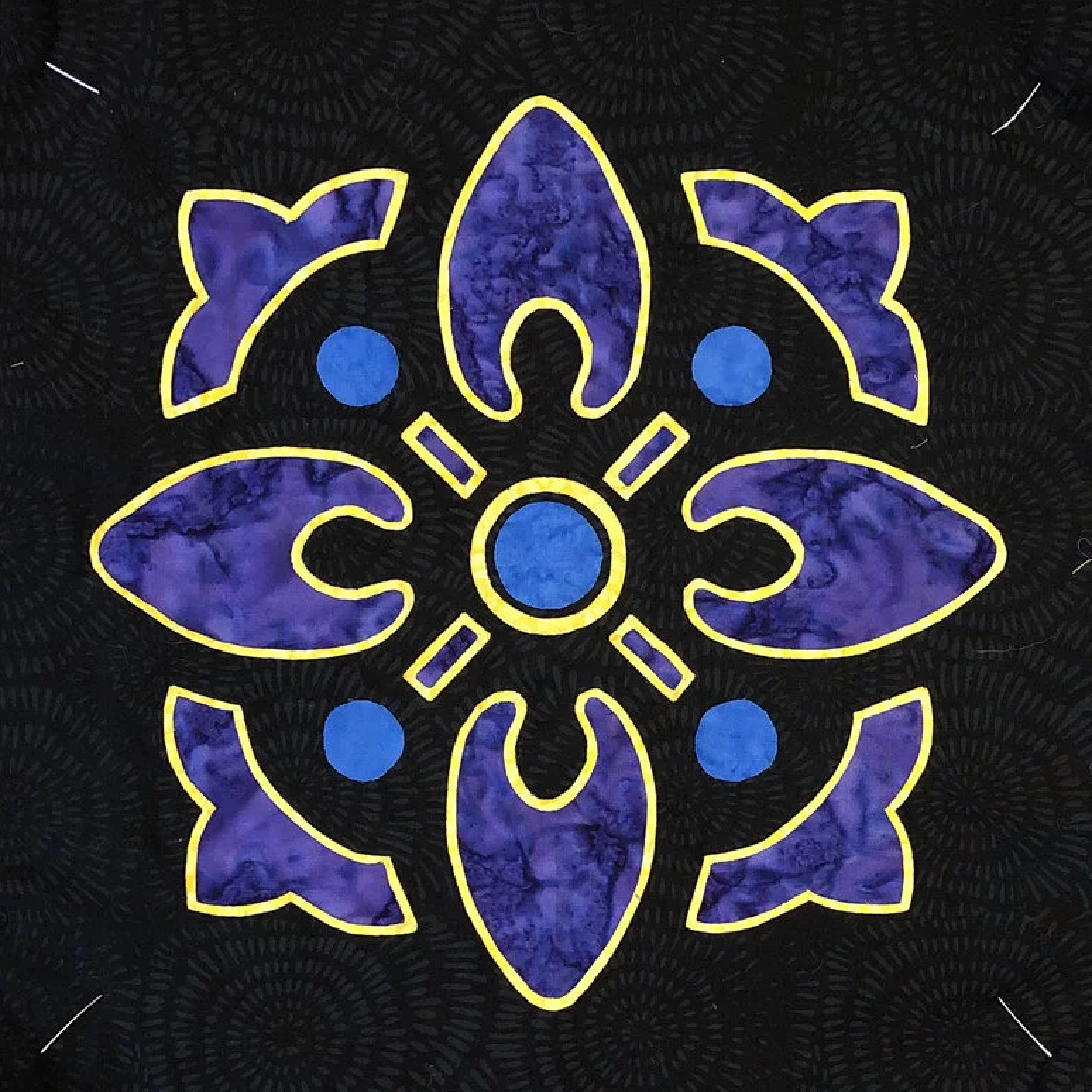
Mola textiles, created by the Guna people of Panama and Colombia, use a striking reverse appliqué technique: layers of brightly colored fabric are stacked and cut away to reveal the colors beneath, building up bold geometric or figurative designs. Try a simplified version on a pillow front using two or three layers of solid cotton. Sew and stuff with a Fairfield World pillow insert for a colorful accent pillow with real handmade texture. EOB Quilt Design has a free Mola inspired block design that could be used to make a pillow.
A Note on Honoring the Source
Folk art traditions like Otomi embroidery, papel picado, and Mola textiles carry deep cultural significance. As you explore these techniques during Hispanic Heritage Month, take time to research their origins, the communities who created and continue to practice them, and, where possible, support Hispanic and Latin American artisans directly. Craft is a wonderful way to celebrate and learn about a culture, and that celebration is richest when it comes with genuine appreciation for where these art forms come from.
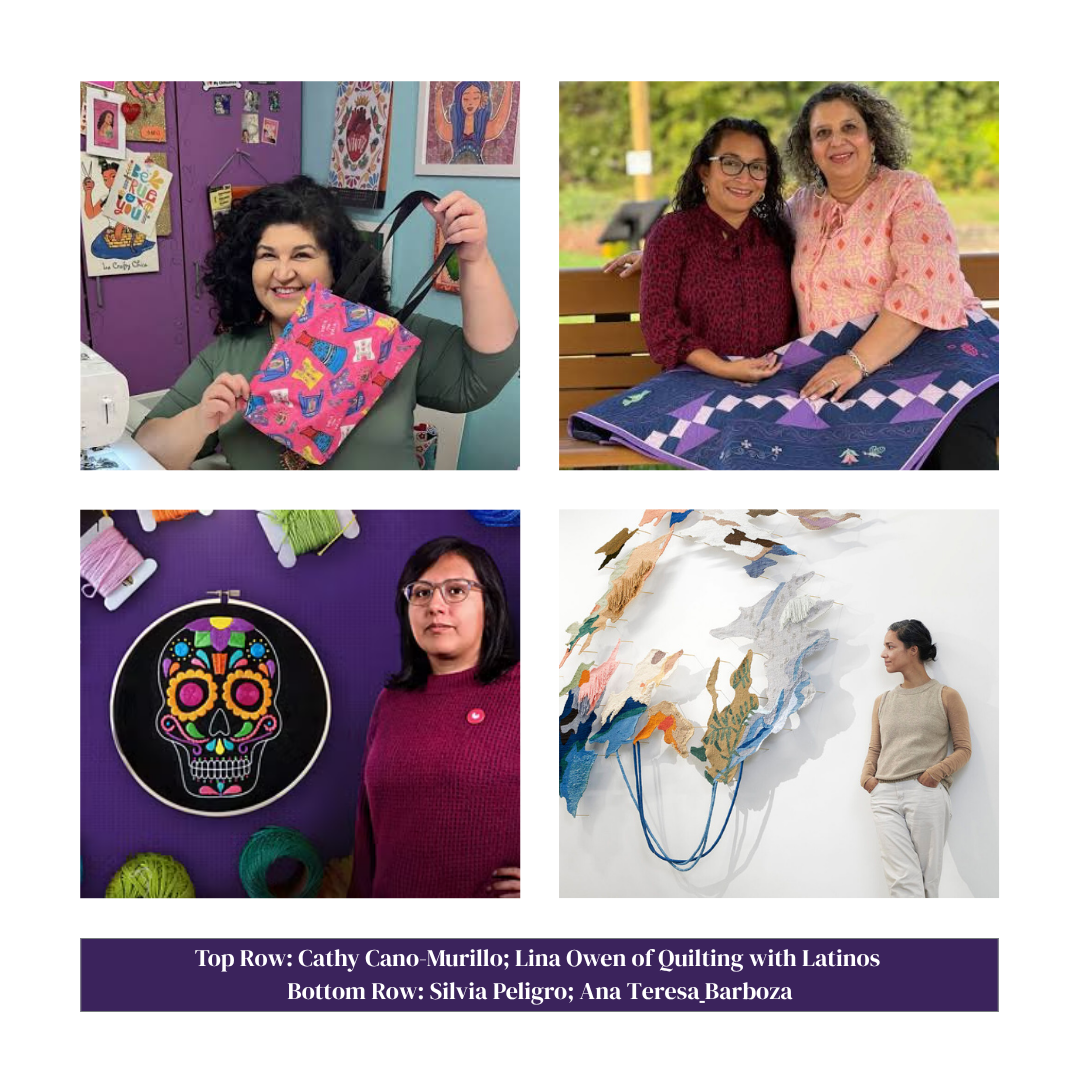
A great way to go deeper is to follow Hispanic and Latin American textile artists and makers directly:
- Kathy Cano-Murillo: Phoenix-based Mexican-American artist and author behind Crafty Chica, known for vibrant, folk-art-inspired DIY projects rooted in Mexican-American culture.
- Quilting with Latinas: A community founded by Lina Owen and Laura Duran dedicated to celebrating Latina heritage through quilting, storytelling, and workshops.
- Silvia Peligro: A Mexico-based embroidery artist who makes and teaches how to create miniature works of art.
- Ana Teresa Barboza: A Peruvian textile artist known for sculptural, dimensional embroidery that blends stitching with fiber sculpture, often depicting landscapes and natural forms.
This is just a starting point, of course! Following these artists is a great way to see traditional techniques through the eyes of the makers who carry them forward, and to find even more names and communities to explore.
Ready to Start Stitching?
Whichever project speaks to you, a good stuffing and stabilizing foundation makes all the difference in how your finished piece looks and feels. Stock up on fiberfill, batting, or stabilizer before you dive in. Happy stitching, and happy Hispanic Heritage Month!
